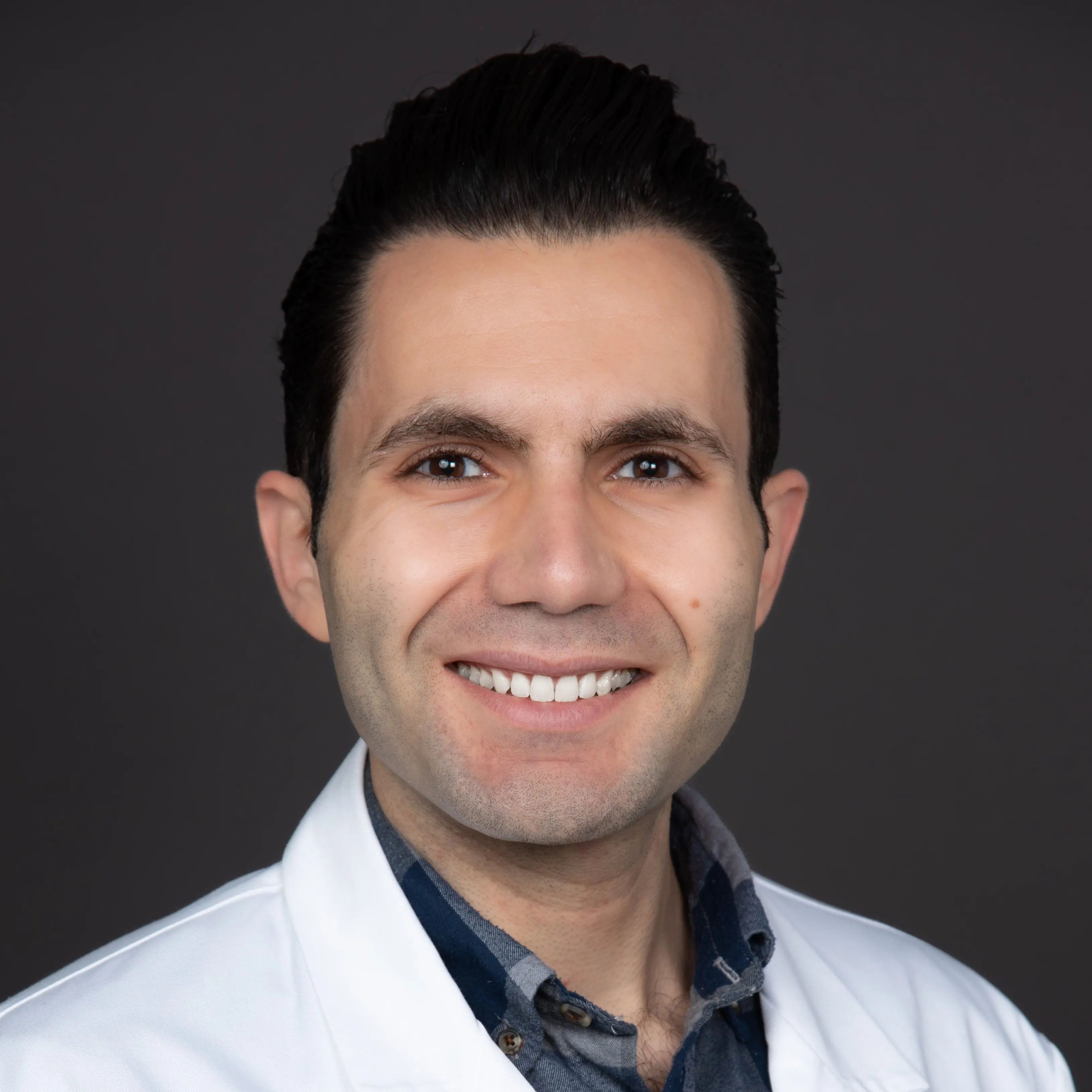
Written by Dr. Roupen Odabashian MD, FRCPC
Oncologist | Founder, MeDucation AI | Updated July 2026
The short answer: is ASCO-SEP worth buying in 2026?
ASCO-SEP is worth it as a foundational text and "big-picture" question source for the ABIM Medical Oncology exam, but at the 12-month subscription price (see asco.org for current pricing; cheaper for fellowship programs), with no CME or MOC credit since 2023, it should almost never be your only resource. Most fellows who pass do so by pairing it with a harder, higher-volume question bank. If you learn primarily by grinding exam-style questions, ASCO-SEP alone will leave you underprepared for the difficulty of the real exam; if you want an authoritative, guideline-aligned overview written by ASCO, it earns its place.
What is ASCO-SEP, exactly?
ASCO-SEP (the ASCO Self-Evaluation Program) is the American Society of Clinical Oncology's official self-assessment product for medical oncology. As of 2026 it is sold as a 12-month digital subscription — not a numbered print edition, bundling a digital eBook with a question bank, delivered through the ASCO Education platform and the ASCO-SEP mobile app.
Feature | Detail |
|---|---|
Format | 12-month digital subscription (eBook + question bank); iOS/Android app |
eBook chapters | 22 peer-reviewed chapters[1] |
Questions | Over 1,500 practice questions (ASCO, checked 2026-10-15) |
Case studies | 30+ case discussions |
Board-prep extras | 22+ "High-Yield Takeaways"; a timed practice exam (100 curated questions over ~3 hours) |
CME / MOC | None (discontinued in 2023) |
Access | 12 months from purchase; does not auto-renew |
How much does ASCO-SEP cost in 2026?
ASCO's product page (checked 2026-10-15) does not list a price; see asco.org for current pricing. It says ASCO members and buyers in low- and middle-income countries are eligible for significant discounts, and that ASCO membership is free for trainees. If you're a fellow, check asco.org before you pay the full rate.
Buyer | Price (12 months) |
|---|---|
ASCO member | See asco.org for current pricing |
Non-member | See asco.org for current pricing |
Trainee / LMIC member | Not published — contact ASCO |
A note on accuracy: you will see third-party sites quote different ASCO-SEP prices. ASCO's product page lists no price (checked 2026-10-15), so check asco.org for current pricing.
Does ASCO-SEP still offer CME or MOC points?
No. ASCO discontinued CME credit and ABIM MOC points for ASCO-SEP activities in 2023. The current FAQ states plainly that "CME/MOC points are not offered for completion of SEP activities." Older editions did carry credit; that is no longer the case.
This matters more than it looks. If you're a practicing oncologist who needs to knock out MOC points while you review, ASCO-SEP no longer does double duty. A competitor like BoardVitals sells a CME add-on worth 27 AMA PRA Category 1 Credits and 27 ABIM MOC points.[4] For a fellow sitting for initial certification, credit is irrelevant, but for anyone recertifying, it's a real reason to look elsewhere or to layer a credit-bearing product on top.
How well does ASCO-SEP match the ABIM Medical Oncology exam?
ASCO-SEP's 22 chapters span the disease sites the ABIM Medical Oncology blueprint tests, and its content is guideline-aligned by design. Here is the current blueprint you're actually being examined against, from ABIM's January 2026 blueprint document[5]:
Content category | % of exam |
|---|---|
Breast Cancer | 13.5% |
Gastrointestinal Cancer | 13.5% |
Hematologic Neoplasms | 13% |
Genitourinary Cancer | 12% |
Thoracic Cancer | 11.5% |
Palliative Care, Survivorship & Oncologic Complications | 11% |
Skin Cancer, Sarcomas & Unknown Primary | 7% |
Clinical Research Methodology & Ethics | 6.5% |
Head, Neck, Thyroid & CNS Malignancies | 6.5% |
Gynecologic Cancer | 5.5% |
The exam also weights by task: roughly 60% of questions test treatment and care decisions, 25% diagnosis and testing, 10% risk assessment and prognosis, and 5% basic science.[5] That treatment-heavy skew is exactly where ASCO-SEP is strongest, its explanations are anchored in ASCO guidelines and landmark trials.
One honest caveat: ASCO does not publish a chapter-to-blueprint crosswalk, so any claim that a specific ASCO-SEP chapter "covers X% of the exam" is editorial inference, not an ASCO promise. Use the blueprint above to prioritize; don't assume the product is perfectly weighted to it.
What do fellows actually say about ASCO-SEP?
The recurring verdict on physician forums is consistent: ASCO-SEP is respected, guideline-solid, and historically "enough to pass", but its questions run easier than the real exam, which can breed false confidence if you use it first. On Student Doctor Network, oncologists repeatedly describe it as the "big-picture" resource, one called it "the MKSAP for heme/onc", and pair it with a harder bank like Hematology Oncology Questions (HOQ) for volume and difficulty. One passer described doing roughly 2,000 HOQ questions plus 1,000 ASCO-SEP questions over eight weeks.
However, the issue with ASCO-SEP is that it contains numerous repetitive questions that test the same concept. The explanations provided are concise, and there are no explanations for incorrect answers. Additionally, the question bank lacks essential tools such as highlighting, underlining, or striking through, making it difficult to navigate.
Strengths | Weaknesses |
|---|---|
Official ASCO authority; guideline-aligned | Questions easier than the real exam |
Broad, reliable "big-picture" coverage | No CME/MOC since 2023 |
Strong explanations tied to landmark trials | Premium price; no published trainee rate |
Historically sufficient to pass when paired well | App/platform UX complaints near exam season |
ASCO-SEP vs. the alternatives: which oncology question bank should you use?
The honest positioning: no single product owns medical oncology board prep the way UWorld owns Step 1. UWorld and TrueLearn do not offer a medical-oncology subspecialty bank at all. That leaves a small field, and most fellows combine two of them.
Product | Questions | Price | CME/MOC | Best for |
|---|---|---|---|---|
ASCO-SEP | Over 1,500 | See asco.org for current pricing (12 mo) | No | Authoritative overview; big-picture questions |
HOQ (Hematology Oncology Questions) | 2,570+ | $65 / 6 months[10] | No | Volume & difficulty; primary grind bank |
BoardVitals Heme/Onc | 600+ | $159–$429 by duration[4] | Yes (add-on: 27 credits) | Recertifying physicians who need CME/MOC |
MeDucation AI | 1,000+ | ~$225 / year | No | Physician-written questions with AI study tools |
Where does each genuinely win?
Choose HOQ if you want maximum volume and questions harder than the exam for the lowest price. It's the standard "main bank," though users note a dated interface and a slice of overly esoteric items.
Choose BoardVitals if you're recertifying and want the CME/MOC add-on, or you prefer a balanced difficulty curve.
Choose ASCO-SEP if you want ASCO's authoritative content and a gentler on-ramp before harder questions.
Where does MeDucation fit, and where doesn't it? Our question bank is reviewed by practicing, board-certified hematologist-oncologists. Every question explains why the right answer is right and why each distractor is wrong, with images, tables, and direct PubMed links, wrapped in an AI study layer, FSRS spaced-repetition flashcards (the same algorithm as Anki), auto-generating mind maps, and an "Ask My Notes" tutor.
If you want a single environment that turns questions into durable memory, that's our pitch. education AI is not a question bank. It's a studying platform. It has so many sections that will help you to study better, no matter what your studying style is.
For example:
In our notebook section, you can take notes while you're solving your questions without leaving the platform, and you can turn these notes into images or flash cards.
You can upload lectures or review papers to our learning hub and turn them into mind maps or generate high-quality, very well-written quizzes.
You can upload your ITE in the dashboard section and get personalized feedback on every question you solve.
It's the only question bank that gives you an idea of how you are performing when compared to the general population solving the question bank, and you don't fly blindly
So what's the actual play for 2026?
For most fellows: one high-volume bank for difficulty and reps, plus one authoritative source for guideline-grounded explanations. ASCO-SEP is a strong pick for the second slot, not the first. Buy it if you value ASCO's imprimatur and clean overviews; don't rely on it alone, and don't pay for it expecting CME/MOC. For a full head-to-head across every heme/onc option, see our hematology-oncology question bank comparison for 2026, and for the study schedule that ties resources together, our 6-month ABIM board study plan. If you're still deciding whether to sit at all, our oncology board review strategy for ITE and ABIM lays out the full arc.
Frequently asked questions
Is ASCO-SEP enough to pass the medical oncology boards on its own?
It can be — fellows have passed using ASCO-SEP as their primary source, but the common experience is that its questions are easier than the real exam, so most people pair it with a harder, higher-volume bank like MeDucation AI. Remember, you're not only preparing for the exam, you're preparing to become an oncologist or hematologist. You are preparing to treat real patients, and you need the best study tool out there
How many questions does ASCO-SEP have?
The question bank contains over 1,500 practice questions (ASCO, checked 2026-10-15), plus a timed practice exam of 100 curated questions delivered over roughly three hours.
Does ASCO-SEP give CME or MOC points?
No. ASCO removed CME credit and ABIM MOC points from ASCO-SEP in 2023; completing the program earns no credit today.[1]
Is there a trainee or fellow discount for ASCO-SEP?
ASCO's product page lists no price. It says ASCO members and buyers in low- and middle-income countries are eligible for significant discounts, and that ASCO membership is free for trainees (checked 2026-10-15), so check asco.org for current pricing before paying the standard rate.
ASCO-SEP vs. HOQ — which should I buy first?
Many fellows buy HOQ as the primary grind bank (more questions, harder, cheaper) and add ASCO-SEP for authoritative overviews. If you can only buy one and you learn by doing questions, HOQ is the more common standalone choice; if you want an ASCO-authored review, ASCO-SEP.
References
ASCO-SEP Digital Subscription — Frequently Asked Questions (ASCO Education, August 2025).
ASCO-SEP mobile app listing (Apple App Store).
ASCO Education General FAQ (CME/MOC discontinuation, 2023).
BoardVitals Oncology Board Review — boardvitals.com/oncology-board-review
ABIM Medical Oncology Blueprint for Certification, January 2026 — abim.org
Student Doctor Network — "Question bank / study materials for boards."
Student Doctor Network — "HOQ qbank."
TrueLearn SmartBanks catalog (no medical oncology bank).
UWorld medical products (no heme/onc subspecialty bank).
MeDucation AI — meducationai.com/pricing